The authoritative information platform to the semiconductor industry.
Log in and learn why TechInsights is the most trusted source of actionable, in-depth intelligence to the semiconductor industry.




3,200+
Reports Published in the Last 12 Months
100,000+
Chips Torn Down
75,000+
Platform Users
650+
Customers
450+
Employees
Insights to stay ahead of the competition
Explore our popular analysis and the latest tech news on topics that matter to you.
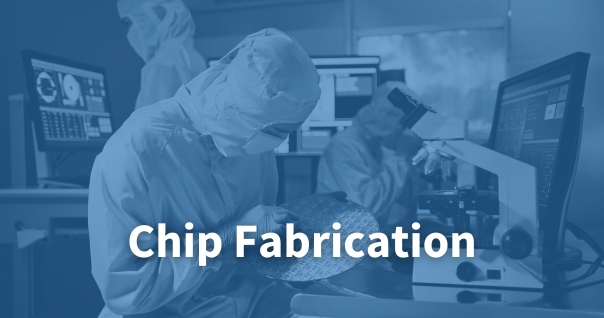

Invaluable insight from industry-recognized SMEs
Leverage 30+ years expertise to reveal technology innovation that impacts your organization and helps inform decision-making.

Stacy Wegner
Senior Technology Analyst
Stacy Wegner is responsible for ensuring the highly technical data produced by our analysts is transformed into consumable competitive intelligence.

Dr. Jeongdong Choe
Senior Technical Fellow
Jeongdong Choe has a Ph.D. in electronic engineering and 30 years’ experience in semiconductor process integration for DRAM, (V) NAND, SRAM, and logic devices.

G. Dan Hutcheson
TechInsights Vice Chair
Dan is an esteemed semiconductor industry expert, honored with SEMI's Sales and Marketing Excellence Award in 2012 for his influential e-letter, The Chip Insider®.


The authoritative information platform to the semiconductor industry.
Discover why TechInsights stands as the semiconductor industry's most trusted source for actionable, in-depth intelligence.